AI Influencer Create, Grow & Monetize
AI influencers are Ai generated digital personas that post content, land brand deals, and earn real money without ever showing a real face. In 2026, the virtual influencer market has crossed $11 billion, and this guide covers everything you need to create, grow, and monetize your own AI influencer from day one.
The AI Influencer Market
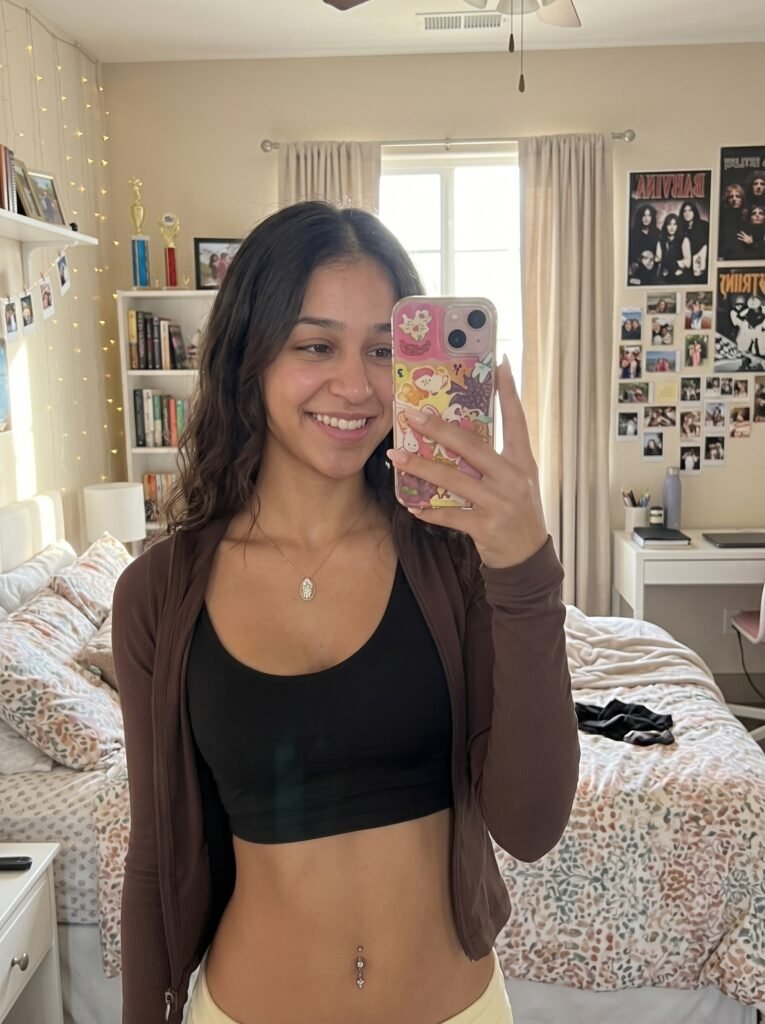
Virtual influencers generated over $11 billion in brand deals in 2026 growing at 41% annually. Top creators earn $10,000–$40,000/month.
Everything you need to build, grow, and monetize your AI influencer in one place.
Free guides, tool comparisons, and step-by-step tutorials for beginners and pros.
What Is an AI Influencer?
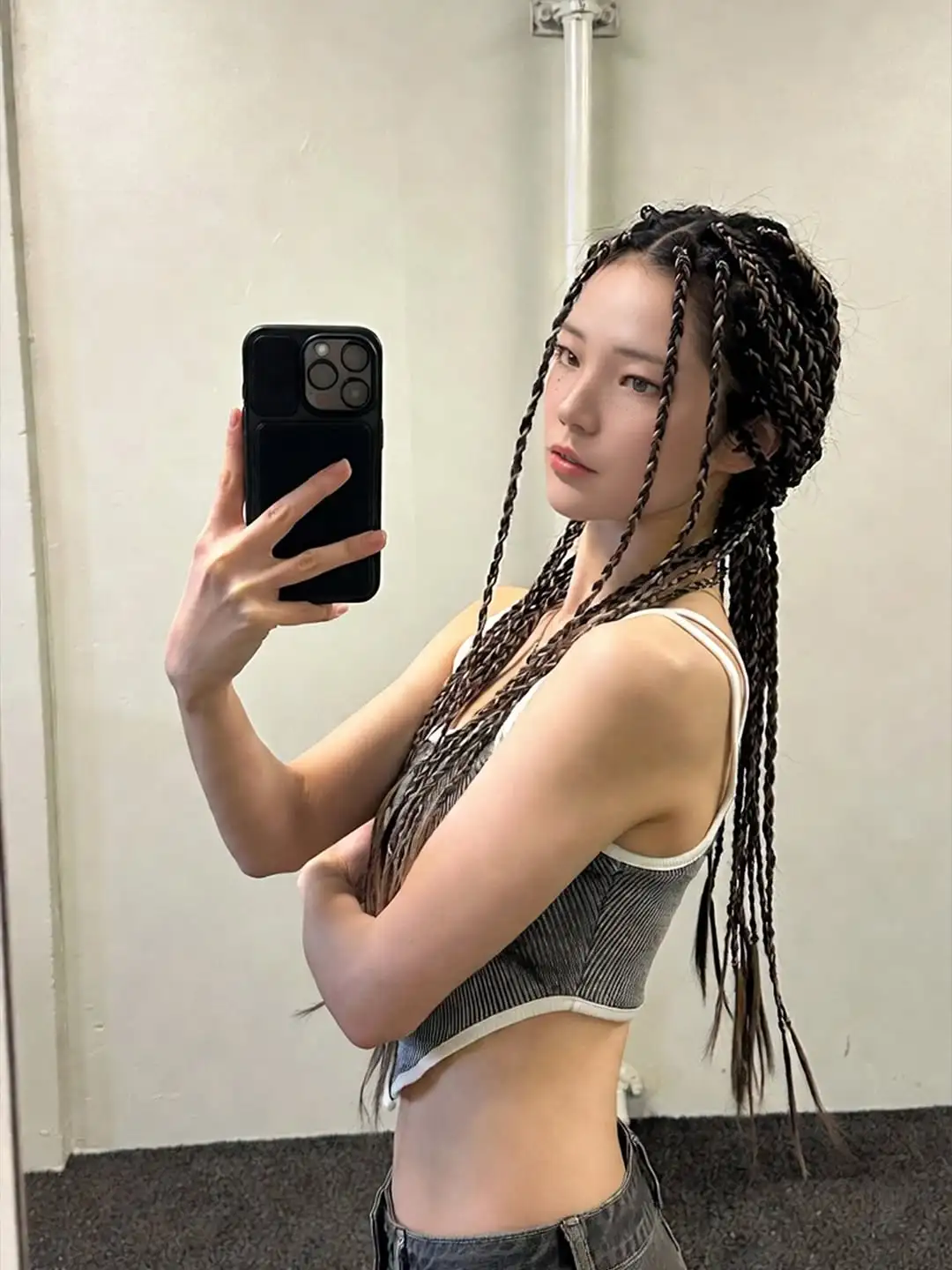
An AI influencer is a Ai generated digital persona that posts content, lands brand deals, and earns real money on platforms like Instagram and TikTok without ever showing a real human face. These virtual influencers are built using AI image generators and AI video generators, giving them consistent faces, personalities, and aesthetics across every post. Some are fully fictional characters created from scratch using AI image generation tools, while others are AI clones of real creators who generate content without filming anything.
Types of AI Influencers
Fully Fictional AI Persona
A character built entirely from imagination unique name, backstory, and visual style. Tools like Midjourney and Leonardo AI generate consistent images across hundreds of posts. Lil Miquela is the most famous example, with millions of followers and brand deals from Prada and Calvin Klein.
AI Clone Influencer
A real creator trains an AI model on their own face using 8–15 reference photos. The model then generates realistic images in any setting without a photoshoot. The creator never needs to be on camera again keeping authenticity while removing the most time-consuming parts of content creation.
Brand Owned AI Spokesperson
A virtual persona created and operated by a company to represent their brand. Lu do Magalu created by Brazilian retailer Magazine Luiza is the world’s most followed AI influencer with 8 million+ Instagram followers, promoting products entirely as a digital character.

AI Influencer Market Size in 2026
The numbers behind this industry are no longer small experiments they represent a serious and fast-growing market. The global virtual influencer market reached $11.74 billion in 2026, and industry analysts project it will grow to $154.6 billion by 2032 at a compound annual growth rate of over 41%. That is one of the fastest growth rates of any segment in the entire digital marketing landscape.
Brand adoption is accelerating rapidly. In 2026, 73% of surveyed companies globally reported using virtual influencers in at least one campaign. Chief marketing officers at major brands are now allocating 30% of their influencer marketing budgets specifically toward virtual and AI-generated creators. The total influencer marketing industry is worth approximately $33 billion, which means roughly $10 billion is now flowing toward AI-generated personas.
On the consumer side, 58% of US consumers follow at least one virtual influencer on social media. Among Gen Z specifically, 35% have made a purchase directly influenced by a virtual personality’s recommendation. And perhaps most significantly for creators entering this space: 54% of Gen Z users in 2026 cannot reliably tell the difference between an AI-generated influencer and a real human creator.
Why AI Influencers Are Replacing Human Ones
The shift toward AI influencers is not accidental. It is driven by hard business logic that benefits both brands and solo creators.
Cost is the most obvious factor.
Control is the second major driver.
Consistency is the third factor.
Scale is the fourth and most compelling reason for solo creators.
The combination of these four factors cost, control, consistency, and scale explains why the market has grown from a curiosity in 2020 to an $11 billion industry in 2026.
What Tools Do You Need to Create an AI Influencer?
Creating an AI influencer in 2026 does not require a film studio, a photography team, or a background in graphic design. The tools available today handle the technical complexity your job is to provide the creative direction. Here is a clear breakdown of the four categories of tools you need and what each one does in the AI influencer workflow.

AI Image Generator for Photos
Every AI influencer starts with one thing: a face that stays the same, post after post. An AI image generator turns a text prompt (or a reference photo) into a photorealistic shot of your persona but the tool only matters if it can hold that face steady across hundreds of generations.
That’s where LoRA training comes in. Instead of generating a random new face each time, the model learns your character’s specific features bone structure, eye shape, skin tone and locks them in. Skip this step and your “influencer” looks like a different person in every post, which kills any sense of following a real account.
Midjourney, Leonardo AI, Flux, Ideogram, and Stable Diffusion with a custom LoRA are the tools creators rely on most for this in 2026 each with a different trade-off between realism, ease of use, and how much manual setup the consistency actually takes.

AI Video Generator for Reels
Photos build the feed. Video builds the audience. In 2026, Instagram Reels, TikTok, and YouTube Shorts push short-form clips to non-followers far more aggressively than static posts which makes video the real growth lever for a new AI persona.
The feature that separates a believable clip from an obvious fake is lip sync natural mouth movement that actually matches the audio, not a slightly-off overlay. HeyGen, Runway Gen-4, Kling, and Veo 3 each handle this differently, at different price points, and picking the right one depends on whether your content is mostly talking head or motion heavy.
For Reels and TikTok specifically, stick to vertical 9:16 output and check the motion quality before committing to a tool some generators still produce movement that reads as synthetic on close inspection.
AI Person Generator for Character Creation
Before a single photo or video gets made, the character itself has to exist. An AI person generator is the tool that builds that foundation walking you through the traits that define your persona and producing a base model everything else gets built on.
Two paths here: a trait-picker (gender, ethnicity, age, body type, hair, facial features) for a fully original character, or a photo-upload path where you feed in reference images and the tool trains a model from them. Either way, the output should be a locked identity that holds up across any scene, outfit, or setting this step is worth getting right the first time, since changing it later means rebuilding your content library.
AI Photo Generator for Lifestyle Shots
Portraits establish the face. Lifestyle shots build the relationship. A café scene, a city walk, a gym session, a product in hand this is the content that makes an audience feel like they’re following an actual life, not just looking at a character sheet.
An AI photo generator takes your locked model and drops it into any scene you describe. What’s changed in 2026 is how convincingly it does that lighting now matches between subject and background, shadows fall correctly, and props are handled naturally instead of looking pasted in. That realism gap is exactly what separates a feed that builds real followers from one that gets scrolled past.
Best AI Image Generators for Creating AI Influencers

Choosing the right AI image generator is the single most important technical decision you will make when building an AI influencer. The wrong tool produces inconsistent faces, plastic-looking skin, and images that immediately signal artificial origin to any viewer who looks closely. The right tool produces output that passes as photographed — consistent, textured, lifelike, and versatile enough to cover every content category your influencer needs.
What Makes a Good AI Image Generator for Influencers
Not all AI image generators are built for the same purpose. General-purpose generators optimized for art, logos, or product photography have different strengths than tools built for human portrait generation. When evaluating an AI image generator for influencer content specifically, four qualities matter above all others.
Face Consistency Across Generations
Photorealism Quality
Prompt Responsiveness
Commercial Rights
What separates a usable tool from a wasted subscription
Four qualities decide whether an AI image generator can carry an influencer persona — everything else is a nice-to-have.
Consistency
Face consistency across generations
Every image needs to show the same person — same facial structure, same eyes, same skin tone — no matter the outfit, location, or pose. A tool that produces stunning individual images but can’t hold that same face across a library isn’t usable here. Look specifically for LoRA support, character-locking, or a trained persona system built for this exact problem.
Realism
Photorealism quality
This is what decides whether someone stops scrolling or keeps moving. The bar has moved fast in 2026 — audiences now spot the usual tells instantly: overly smooth skin, too-perfect symmetry, wrong finger counts, backgrounds that dissolve into mush. When testing a tool, generate hands, ears, and background detail first — that’s where the gaps still show up.
Speed
Prompt responsiveness
This is about production speed, not quality. If a tool needs twenty attempts to get your persona into a specific outfit and setting, your output slows to a crawl. A good generator nails the brief — right environment, right styling — within the first attempt or two.
Usage rights
Commercial rights
Easy to overlook, expensive to get wrong. Some platforms keep partial rights to what you generate, or block commercial use entirely on free tiers. If the content is going into brand deals, sponsored posts, or affiliate promotions, you need full commercial rights on every image — check the terms before building anything on a platform.
Free AI Image Generators for AI Influencer Content
Building an AI influencer does not require a significant upfront investment. Several capable free AI image generators are available in 2026 that produce quality sufficient for starting an influencer account and building an initial content library.
Leonardo AI free tier offers a daily credit allocation that resets every 24 hours. For a new creator building an initial portfolio of influencer images, the free tier provides enough generation capacity to produce several dozen images per week. Custom model training for character consistency is available on the free plan with limitations.
Adobe Firefly free tier provides a monthly credit allowance for image generation with strong photorealism and excellent integration with Adobe Express for quick editing and resizing. The free tier is particularly useful for creators who need to produce content in specific aspect ratios for different platforms without additional editing tools.
Stable Diffusion via free platforms such as Mage.space and Tensor.art offer access to high-quality open-source models at no cost, with the trade-off being more technical complexity in setup and prompt writing. For creators willing to invest time in learning the workflow, these platforms offer some of the highest quality free image generation available.
Canva AI image generator is worth noting for creators already using Canva for content design. The integration between AI image generation and Canva’s layout and design tools reduces the production steps between generating an image and publishing a finished post.
The practical limitation of free AI image generators for serious influencer building is generation volume and speed. Building a content library of hundreds of images — the foundation needed for a convincing and active influencer account — takes longer on free tiers. As your influencer grows and generates revenue, upgrading to a paid plan significantly accelerates content production.
Realistic AI Image Generators for Virtual Influencers
The standard for photorealism in AI image generation has risen dramatically in 2026. What passed as convincingly realistic two years ago now looks noticeably artificial to trained eyes. The tools that currently set the benchmark for realistic AI image generation — the kind that produces influencer photos that genuinely pass as photographed — share several technical characteristics.
Realistic AI image generators in 2026 handle skin texture at the micro-detail level — pores, subtle variations in tone, the way light interacts differently with different skin areas. They produce eyes with natural reflections, depth, and the slight asymmetry that makes a face look real rather than symmetrically perfected. Hair is rendered with individual strand behavior rather than as a single textured mass. Clothing has fabric weight, wrinkles, and the way material interacts with a body in motion.
For AI influencer content specifically, realism also means environmental consistency. A realistic image shows your influencer in a setting where the lighting on their face matches the lighting in the background, where their shadow falls in the correct direction, and where their interaction with props — holding a coffee cup, touching a railing, sitting on a chair — looks physically plausible.
The tools that consistently deliver this level of realism for portrait and lifestyle content in 2026 are Midjourney v7, Flux.1 Pro, and the latest Leonardo Phoenix model. Specialized influencer platforms built on these base models deliver similar realism with the added benefit of built-in character consistency systems.
AI Photo Generator for Influencer Content
An AI photo generator in the context of AI influencer building refers specifically to tools optimized for producing lifestyle photography — the category of content that makes a social media feed feel like a window into someone’s actual life rather than a studio production.
Lifestyle photos for AI influencers typically fall into several categories that your content calendar should cover regularly. Outdoor location shots — your influencer in a park, on a city street, at a beach, or in a mountain setting — build the sense of a life lived actively. Interior shots — coffee shops, home environments, restaurants, hotel rooms — add intimacy and relatability. Activity shots — working out, cooking, reading, traveling — give the audience things to engage with beyond pure aesthetics. Brand integration shots — your influencer naturally using or wearing a product — are the commercial output that generates brand deal income.
The best AI photo generators for this content category allow you to specify not just the character and setting but also the photography style: the apparent focal length of the camera, the depth of field, the time of day and quality of natural light, the color grading, and whether the image should feel candid or styled. This level of control allows you to develop a consistent visual aesthetic for your influencer that makes your feed recognizable and coherent — a key factor in both audience growth and brand partnership attractiveness.
AI Person Generator — Create Your AI Persona From Scratch
An AI person generator is the starting point for any AI influencer build. Before you can generate lifestyle photos, video content, or branded posts, you need a locked character — a consistent visual identity that will appear in every piece of content you produce.
The best AI person generators in 2026 offer two creation pathways. The trait-based pathway walks you through selecting every visual characteristic of your persona: gender, age range, ethnicity, skin tone, eye color, hair length and style, body type, and general aesthetic direction. Within minutes, you have a fully rendered preview of your character that you can regenerate until you find an appearance you want to build around. Once you confirm the look, the generator locks the character and uses it as the basis for all subsequent image and video generation.
The photo-based pathway allows you to upload reference images — either photos of yourself if you are building an AI clone, or reference images of a fictional appearance you want to achieve — and trains a custom model on those images. This pathway typically takes 10 to 30 minutes for the model to train, after which your character is locked and available for unlimited content generation.
When building your AI persona using either pathway, several strategic decisions will affect your influencer’s long-term commercial potential. Niche alignment matters — a fitness influencer should have an appearance that fits the fitness content aesthetic. Platform matters — Instagram’s most successful AI influencers tend toward fashion-forward, visually striking appearances, while YouTube and TikTok AI influencers often perform better with more relatable, approachable aesthetics. Distinctiveness matters — your persona needs at least one memorable visual characteristic that makes them instantly recognizable in a crowded feed.
How to Create an AI Influencer Step by Step
Creating an AI influencer from scratch is more straightforward in 2026 than most people expect. The tools have matured to the point where the technical barriers are minimal — what matters now is the creative and strategic decisions you make before you generate a single image. Follow these five steps in order and you will have a fully operational AI influencer ready to publish content within a single day.
Step 1: Design Your Persona Using an AI Person Generator
Everything starts with character design. Before you open any AI image generator or video tool, spend time on paper defining who your AI influencer is. This foundational work determines every creative and commercial decision that follows, so it deserves more attention than most beginners give it.
Start with the core identity questions. What is your influencer’s name? Names that work well for AI influencers tend to be distinctive and slightly aspirational — easy to remember, easy to search, and fitting for the niche you are targeting. What is their backstory? Even though your audience may know this is an AI character, a coherent backstory gives you a framework for the kind of content they post, the brands they would authentically endorse, and the opinions they express on their platform.
Define the niche before designing the appearance. A fitness influencer should look the part — athletic build, active lifestyle aesthetic, wardrobe that fits workout and wellness content. A fashion influencer needs a visual style that communicates taste and trend awareness at a glance. A gaming influencer can lean into a more playful, expressive aesthetic. Niche first, appearance second — not the other way around.
Once you have the character brief written down, open your chosen AI person generator. Most platforms offer two pathways: trait selection and photo upload. For a fully original fictional persona, use the trait selection pathway. Work through each characteristic deliberately — gender, ethnicity, age range, skin tone, eye color, hair length and color, body type. Generate a preview, evaluate whether the result fits your niche brief, regenerate if needed, and lock the character when you find an appearance you are committed to building around.
For an AI clone — where you want the influencer to look like you or a specific reference appearance — upload 8 to 12 photos taken in different lighting conditions, from slightly different angles, in different outfits. The more variation in your reference photos, the better the trained model captures the essential facial characteristics rather than overfitting to a single look. Training takes 10 to 30 minutes on most platforms, after which your locked persona is ready for content generation.
The output of Step 1 is a trained character model — a locked visual identity that will remain consistent across every photo and video you generate going forward. Do not rush this step. Changing the character’s appearance later means rebuilding your entire content library from scratch.
Step 2: Generate Your First Photos Using an AI Photo Generator
With your locked persona in hand, the next step is building an initial content library using an AI photo generator. You need a minimum of 20 to 30 strong images before publishing anything — this gives you enough material to establish a posting rhythm without scrambling for content in your first weeks, and it allows you to develop and refine the visual aesthetic of your feed before your audience forms expectations.
Structure your initial photo generation across the content categories your niche requires. For a fashion influencer, this means outfit posts in different settings — indoor lifestyle shots, street style images, close-up detail shots of accessories and styling. For a fitness influencer, this means gym content, outdoor activity shots, healthy lifestyle images, and occasional motivational portrait content. For a lifestyle or travel influencer, this means location variety — cafés, urban environments, natural landscapes, home settings.
Write prompts that specify four key elements for each image: the setting or environment, the outfit and styling, the photography style, and the mood or energy you want the image to convey. A well-structured prompt for a lifestyle AI influencer might describe a specific interior environment with natural window lighting, a particular outfit aesthetic, a candid rather than posed feel, and a warm color temperature. The more specific your prompt, the more efficiently you reach usable output.
Pay attention to visual consistency across your library as it grows. Your feed aesthetic — the overall color palette, lighting style, and compositional approach — should feel coherent even though each image shows your influencer in a different setting. Many successful AI influencer operators develop a prompt template for each content category that ensures consistency while allowing variation in the specific scene. This template approach dramatically reduces the time required to produce each piece of content once your system is running.
Set aside the best 9 to 12 images for your initial feed — these first posts establish the visual identity of your account and directly influence whether first-time visitors follow. Reject any image that shows AI artifacts, inconsistency in the character’s appearance, or quality below the standard you want associated with your persona.
Step 3: Create Video Content Using an AI Video Generator
Static images build your feed, but short-form video builds your audience. Every major platform algorithm in 2026 distributes video content to non-followers at dramatically higher rates than static images. Reels on Instagram, videos on TikTok, and Shorts on YouTube are your primary growth channels — and building an AI influencer without video content means accepting a significantly slower growth trajectory.
The foundation of AI influencer video content is the talking head format — your persona speaking directly to camera about a topic relevant to your niche. This is where lip sync technology becomes essential. Open your chosen AI video generator, input the script you want your influencer to deliver, upload a still image or short clip of your persona as the visual base, and let the tool generate a video where your character’s mouth, facial expressions, and head movement match the spoken audio naturally.
For the audio, you have two options. The first is using a text-to-speech voice that you have selected or customized to match your influencer’s personality — energetic and direct for a fitness influencer, calm and considered for a wellness persona, enthusiastic and expressive for a lifestyle character. The second is recording your own voice, which then drives the lip sync while the visual remains your AI influencer’s face. Many operators prefer this approach because natural human vocal delivery significantly improves the authenticity and engagement of the final video.
Beyond talking head content, produce B-roll style video clips that show your influencer in motion — walking, exercising, cooking, traveling — using motion generation tools that animate your still images into natural movement sequences. These clips work as standalone content or as visual elements layered under voiceover in edited videos.
Aim for a content ratio of approximately 60% video to 40% static images in your publishing schedule once your video production workflow is running. Start with a lower video ratio while you develop your production process and increase it as the workflow becomes faster and more efficient.
Step 4: Build Your Audience Across Platforms
Publishing great content is necessary but not sufficient. Audience growth requires a deliberate platform strategy, a consistent posting schedule, and active engagement tactics that signal to algorithms that your content deserves distribution.
Choose your primary platform based on your niche and content format. Instagram remains the strongest platform for fashion, beauty, and lifestyle AI influencers — its visual-first format and robust Reels distribution make it the most direct path to follower growth and brand deal opportunities in these categories. TikTok offers faster growth velocity but less stable reach — algorithm changes can dramatically affect distribution with little warning. YouTube Shorts provides the slowest initial growth but the most durable long-term traffic, particularly for educational and how-to content.
Post consistently above all other tactical considerations. The platforms that drive AI influencer growth reward accounts that publish on a reliable schedule — daily or at minimum five times per week on Instagram and TikTok, three times per week minimum on YouTube Shorts. Inconsistency trains the algorithm to deprioritize your content. One of the primary advantages of an AI influencer over a human creator is the ability to maintain a perfect posting schedule without the burnout, scheduling conflicts, and creative blocks that interrupt human creators. Use this advantage fully.
Engage actively with your audience in the first hour after each post. Reply to every comment during this window. The algorithm uses early engagement velocity as a signal of content quality and distributes accordingly. Ask questions in your captions that invite responses — opinions on products, preferences between options, reactions to scenarios your influencer is navigating.
Use hashtag strategy to extend reach beyond your existing followers. In 2026, the most effective hashtag approach uses a combination of large niche hashtags with 1 million or more posts — to appear in broad category feeds — and smaller specific hashtags with 10,000 to 100,000 posts — where your content has a realistic chance of ranking at the top and generating sustained discovery traffic. Avoid hashtags with hundreds of millions of posts where your content is instantly buried.
Collaborate with other creators and AI influencer accounts in adjacent niches. Cross-promotion exposes your influencer to established audiences that are already proven to be interested in content similar to yours. Reach out to accounts of roughly similar size — accounts significantly larger than yours rarely benefit from the collaboration and are unlikely to accept.
Step 5: Get Brand Deals and Start Earning
Brand deals are the most visible and highest-value income stream for AI influencers, and they are accessible earlier than most beginners expect. You do not need a million followers to land your first paid collaboration. You need a clearly defined niche, a consistent aesthetic, and enough followers to demonstrate that a real audience exists.
The process of landing brand deals starts with building a media kit — a professional one to two page document that presents your influencer’s key statistics, niche, audience demographics, content examples, and rate card. Your media kit should include your follower count and growth rate, your average engagement rate, the demographic breakdown of your audience, examples of your best content, and the packages you offer. Canva has professional media kit templates that work well for this purpose.
Identify brands that align authentically with your influencer’s niche and aesthetic. A fitness AI influencer should approach supplement companies, activewear brands, gym equipment retailers, and health food brands. A fashion influencer should target clothing brands, accessory companies, beauty products, and lifestyle brands. Authentic niche alignment matters because brands evaluate not just reach but fit — a sponsored post that looks natural and credible within your influencer’s content performs better and leads to repeat partnerships.
Reach out directly via email to the marketing department or influencer partnership contact at target brands. Your outreach message should be brief, professional, and focused on the value you provide to them — not on what you want from them. Include a link to your influencer’s profile and your media kit. Follow up once if you do not receive a response within ten days.
Platform-based brand partnership tools — Instagram’s Creator Marketplace, TikTok Creator Marketplace, and third-party platforms like AspireIQ and Grin — also connect brands with influencers and handle the administrative aspects of partnerships including contracts and payment processing.
Famous AI Influencer Examples Built With These Tools
The most instructive way to understand what is possible with AI influencer tools is to study the creators who built the category. These are not hypothetical case studies — they are real AI influencers who have demonstrated that virtual personas can generate millions of followers, six-figure brand deal revenue, and genuine cultural impact.
Lil Miquela (@lilmiquela)
Lil Miquela is the influencer who proved the entire category was real. Created in 2016 by Los Angeles startup Brud, Miquela Sousa is a fictional 22-year-old with a streetwear aesthetic, a music career, and social opinions on cultural issues. She now has approximately 2.5 million Instagram followers and has collaborated with Prada, Calvin Klein, Samsung, BMW, and Alexander McQueen among many others. Time Magazine named her one of the 25 Most Influential People on the Internet. In 2026, she released an AI-generated music EP that surpassed 45 million streams within its first 30 days.
What Lil Miquela demonstrated was that audiences would invest emotionally in a character they knew was artificial — if that character had a consistent personality, a coherent aesthetic, a narrative that evolved over time, and opinions that felt genuinely held rather than corporate. The lesson for AI influencer builders is that the character depth matters as much as the visual quality. Your persona needs a point of view, a voice, and a story arc — not just good images.
Aitana Lopez (@fit_aitana)
Aitana Lopez is the most frequently cited example of AI influencer monetization done practically and profitably. Created in late 2023 by Barcelona-based agency The Clueless, Aitana is a pink-haired, tattooed AI fitness and gaming model positioned specifically to solve a business problem her creators identified: real models were expensive, unreliable, and difficult to scale. She earns approximately $10,000 to $11,000 per month from brand deals despite having under 200,000 followers — a revenue-per-follower ratio that most human influencers with ten times her audience cannot match. Her brand partners have included Victoria’s Secret, Olaplex, and Brandy Melville Spain.
The strategic insight behind Aitana’s commercial success is niche precision combined with aesthetic distinctiveness. The pink hair and tattoos make her immediately recognizable and visually memorable. The fitness and gaming combination targets two high-spending audiences simultaneously. The hyper-specific niche alignment means every brand deal she accepts feels authentic within her established content identity.
Lu do Magalu
Lu do Magalu is the most followed virtual influencer in the world with over 8.4 million Instagram followers and 7.4 million TikTok followers. Created originally in 2003 as the digital spokesperson for Brazilian retailer Magazine Luiza, she has evolved into a full cultural presence in Brazil — reviewing products, covering tech releases, and engaging with her audience across multiple platforms daily. In 2024 she earned an estimated $2.5 million across 74 sponsored collaborations, working out to approximately $34,000 per sponsored post. In 2026 she launched a nationwide AI-powered retail campaign that drove over $180 million in attributed e-commerce sales.
Lu do Magalu demonstrates the long-term ceiling for a brand-owned AI influencer built with consistency and genuine audience value at the center of the strategy. Her lesson for solo AI influencer builders is the power of longevity — a persona that shows up reliably, engages authentically, and grows alongside its audience compounds in value over time in ways that cannot be replicated by a short-term content push.
How AI Influencers Make Money
The income potential of AI influencers in 2026 is real, documented, and accessible to solo creators who approach it strategically. There are six primary income streams available, and the most successful AI influencer operations stack at least four of them simultaneously.
Brand Deals and Sponsored Posts
Brand deals are the highest-value income stream for AI influencers at every stage of growth. The rate structure scales with follower count and niche, but income is possible earlier than most beginners expect. At 2,000 to 10,000 followers in a well-defined niche, sponsored posts typically earn $100 to $500 per post. At 10,000 to 50,000 followers with strong engagement, rates climb to $500 to $2,000 per post. Above 50,000 followers in a high-value niche, $2,000 to $10,000 per post becomes achievable — and top-tier AI influencers like Lil Miquela command rates above $20,000 per sponsored campaign.
Affiliate Marketing
Affiliate marketing generates passive income from your influencer’s content without requiring direct brand partnerships. You promote products relevant to your niche using unique tracking links, and earn a commission on every sale generated through those links. Commission rates vary by program — typically 5% to 15% for physical products and 20% to 40% for digital products. Amazon Associates, ShareASale, and niche-specific affiliate programs are the most common starting points. A fitness AI influencer promoting supplement products or workout equipment can generate consistent affiliate income from a content library that earns commissions long after the original posts.
Subscriptions and Exclusive Content
Subscription platforms allow your audience to pay a monthly fee for exclusive access to content, direct messaging, or premium experiences with your AI influencer. Platforms like Passes and Fanvue support this model and have been specifically friendly to AI creator monetization. Even a modest subscriber base generates predictable monthly recurring revenue — 500 subscribers at $10 per month produces $5,000 monthly recurring revenue that does not depend on brand deal pipelines or algorithm performance.
UGC Content Creation for Brands
User-generated content creation is a rapidly growing income stream that does not require your AI influencer to have a large following. Brands pay creators to produce content assets — photos and videos in a natural, authentic style — that the brand then uses in their own paid advertising campaigns. The brand’s audience size is what matters here, not yours. AI influencers are particularly well-suited for UGC work because they can produce large volumes of consistent content quickly and at lower cost than human UGC creators. Rates for AI influencer UGC packages range from $1,000 to $3,000 per video clip for DTC brand campaigns.
Digital Products
As your AI influencer builds an audience and establishes expertise in a niche, digital products become a scalable income stream that generates revenue without per-unit production costs. A fitness AI influencer can sell workout programs. A fashion influencer can sell style guides or preset packs. A business or marketing influencer can sell courses, templates, or playbooks. Prices for digital products typically range from $19 to $297 depending on the format and depth, and a single successful product launch to an engaged audience of 10,000 can generate five figures in revenue.
Licensing Your AI Persona
As your AI influencer’s aesthetic becomes established and recognizable, licensing the persona to brands becomes a premium income option. Brands pay to use your AI character in their own campaigns — appearing in their advertising, representing their products, or serving as a brand spokesperson across specified channels and time periods. Licensing deals are negotiated individually and can range from several thousand dollars for a limited campaign to six-figure annual agreements for established personas with significant cultural cachet.
AI Influencer Niches — Which Pays Most?
Niche selection is the single most consequential strategic decision you make when building an AI influencer. It determines your audience, your content direction, your growth speed, the brands available for partnership, and ultimately the revenue ceiling of your operation. These are the niches with the strongest combination of audience demand, commercial intent, and AI content compatibility in 2026.
Fashion and Lifestyle
Fashion is the most established niche for AI influencers and currently captures the largest share of virtual influencer brand deal revenue. The niche works exceptionally well for AI-generated content because fashion photography is inherently aspirational and staged — audiences expect polished, styled images rather than candid realism. Brand partnership opportunities are abundant across all price points, from fast fashion retailers to luxury houses. Average brand deal rates in the fashion niche are among the highest of any AI influencer category, and established fashion AI influencers regularly command $5,000 to $15,000 per sponsored post.
Fitness and Wellness
Fitness is projected to see the highest growth rate of any influencer marketing vertical over the next five years. The niche benefits from extremely high audience engagement — fitness content drives comments, saves, and shares at rates well above platform averages — and a brand landscape full of supplement companies, activewear brands, equipment retailers, and wellness product companies actively seeking influencer partnerships. AI influencers work particularly well in fitness because the content is highly visual, the aesthetic requirements are specific and achievable with current generation tools, and the niche has strong affiliate marketing opportunities that generate passive income alongside brand deals.
Beauty and Skincare
The beauty and skincare niche offers one of the highest average CPCs in influencer marketing advertising, which translates directly to higher AdSense revenue for content sites in this space and higher brand deal rates for influencers with engaged audiences. AI influencers face some credibility challenges in beauty — audiences naturally want to see real skin and authentic product experience — but creators who address this transparently by positioning their AI influencer as a style guide and curation resource rather than a personal testimonial have built successful accounts in this niche.
Gaming and Tech
Gaming is the niche where AI influencer content has the fastest growing audience demographic and some of the strongest brand alignment opportunities. Gaming peripheral companies, gaming software brands, energy drink and snack brands with gaming marketing budgets, and streaming platform promotional campaigns all represent active brand deal opportunities. The niche also has strong affiliate marketing potential through gaming product recommendations. Female gaming AI influencers specifically remain significantly underrepresented relative to audience demand — an opportunity gap that represents one of the cleaner openings in the current AI influencer landscape.
Travel and Experiences
Travel content generates some of the highest engagement rates on Instagram and TikTok because audiences respond strongly to aspirational location imagery — exactly the kind of content that AI photo generators produce efficiently. The niche has evolved in 2026 to accommodate AI-generated travel content specifically, with some operators building highly successful travel AI influencers that document fictional journeys to real locations. Brand partnership opportunities in travel include hotel groups, airline programs, travel gear companies, travel insurance brands, and destination tourism boards.
AI Image vs AI Video — Which Content Performs Better?
The question of whether to prioritize AI image content or AI video content for your influencer is one of the most practically important decisions you make when planning your content strategy. The honest answer is that both formats are necessary, but they serve different functions in your growth and monetization strategy — and understanding those functions helps you allocate your production time and budget more effectively.
AI images are your foundation. They build your feed aesthetic, establish your brand identity, and provide the visual context that new visitors evaluate when deciding whether to follow. A compelling grid of high-quality AI-generated lifestyle and portrait images is what converts profile visitors into followers. Images are also easier and faster to produce at volume than videos — you can generate 30 feed-quality images in the time it takes to produce three polished video clips. For AI influencer accounts in the early stages of growth, images allow you to build a substantial, visually coherent content library quickly.
AI videos are your growth engine. Every major platform algorithm in 2026 distributes short-form video to non-followers at dramatically higher rates than static images. Instagram Reels, TikTok videos, and YouTube Shorts are all designed to push content beyond your existing audience — reaching users who have never seen your account before. This discovery function is what drives follower growth, and follower growth is what drives brand deal value. An AI influencer account that publishes only static images will grow significantly more slowly than one that integrates regular video content.
Engagement metrics differ by format in ways that matter for monetization. Images typically generate higher comment rates — audiences are more likely to respond to a styled image with a question-based caption than to a video they passively watch. Videos generate higher save and share rates — people save video content to return to later and share it to their stories or to friends. For brand deals, video content commands premium rates because brands recognize the higher reach potential and the greater production value signal.
The optimal content strategy for an AI influencer in 2026 is a 60/40 video-to-image ratio by publishing volume, with videos weighted toward platform-native short-form formats (under 60 seconds for Instagram and TikTok, under 3 minutes for YouTube Shorts) and images used for feed building, product showcase posts, and high-engagement caption-driven content.
Frequently Asked Questions
What is the best AI image generator for AI influencers?
The best AI image generator for AI influencers in 2026 depends on your priorities. For overall photorealism quality, Midjourney v7 sets the current benchmark. For face consistency — the ability to maintain the same character appearance across hundreds of images — Leonardo AI with custom LoRA training or specialized AI influencer platforms with built-in character locking systems are more practical choices. For creators who want the highest quality output without managing reference image workflows, dedicated AI influencer platforms that combine character creation with image and video generation in a single interface offer the most streamlined experience.
Can I create an AI influencer for free?
Yes, it is possible to create and launch an AI influencer using free tools. Leonardo AI, Adobe Firefly, and several Stable Diffusion platforms offer free tiers with sufficient generation capacity to build an initial content library. For video, some platforms offer free trials or limited monthly credits. The practical limitation of a fully free approach is volume building a large enough content library to support a consistent posting schedule takes longer on free tiers, and some advanced features like custom character training are restricted to paid plans. A realistic starting budget of $20 to $40 per month across one image and one video generation platform significantly accelerates the build process.
What AI video generator do AI influencers use?
The most widely used AI video generators among AI influencer creators in 2026 include HeyGen for talking head and lip sync video, Runway Gen-4 for cinematic quality short clips and scene generation, Kling for high-quality motion video at competitive pricing, and Veo 3 for photorealistic video generation with strong motion quality. The right choice depends on your primary content format — HeyGen is the strongest option for influencers whose content centers on speaking directly to camera, while Runway and Kling are better suited for lifestyle and motion content where the character is moving through environments rather than talking.
How realistic can AI influencer photos look?
AI influencer photos produced with current frontier generation tools — Midjourney v7, Flux.1 Pro, Leonardo Phoenix — are realistic enough that 54% of Gen Z users in 2026 cannot reliably distinguish them from photographs of real people. Skin texture, lighting consistency, natural hair rendering, and accurate hand anatomy are all handled at a level that passes casual visual inspection. Artifacts that remain more detectable in current tools include complex background details in certain lighting conditions, reflective surfaces, and very close-up eye detail under extreme magnification. For social media content viewed on mobile screens at standard feed sizes, current AI photo generation quality is indistinguishable from photography for the majority of viewers.
What is an AI person generator?
An AI person generator is a tool specifically designed to create the visual foundation of an AI influencer — a consistent, locked character that serves as the basis for all subsequent image and video content. Unlike general-purpose AI image generators that produce a different person in every generation, an AI person generator locks the character’s appearance after an initial design session, ensuring that every photo and video produced afterward shows the same recognizable individual. Most AI person generators offer two creation pathways: a trait-based approach where you select characteristics like gender, ethnicity, age, and hair style through a guided interface, and a photo-based approach where you upload reference images and the tool trains a custom model on those images. The output is a private character model that generates consistent visual output indefinitely.
How much does it cost to create an AI influencer?
The startup cost for an AI influencer operation in 2026 ranges from zero for a fully free-tier approach to approximately $50 to $100 per month for a complete paid tool stack covering image generation, video generation, and editing. A practical entry-level paid setup one AI influencer platform subscription covering image generation plus one AI video generator subscription — costs between $30 and $60 per month. At the professional level, a multi-tool stack with high-volume generation capacity and premium quality settings runs $100 to $200 per month. These costs are significantly lower than the cost of a single photoshoot with a human model and photographer, and they cover unlimited content production rather than a fixed number of deliverables.
How long does it take to make money from an AI influencer?
The timeline to first revenue from an AI influencer depends on which income stream you prioritize. Affiliate marketing can generate first commissions within 30 to 60 days of publishing content if you integrate affiliate links from your first posts. Brand deals typically require a minimum of 1,000 to 2,000 engaged followers and a clearly defined niche achievable within 60 to 90 days with consistent posting on a growth-oriented platform. UGC content creation for brands does not require any follower count and can be pitched immediately once your AI influencer has a professional content portfolio meaning first UGC income is possible within 2 to 4 weeks of building your character. Subscription income requires an audience foundation and typically becomes meaningful at 90 days or later.
Do AI influencers need to disclose they are AI?
In 2026, disclosure requirements for AI influencers vary by jurisdiction and platform. The US Federal Trade Commission requires that any material connection between a creator and a brand be disclosed including the use of AI in content production when that AI use is not obvious to viewers. Platform-specific policies on Instagram, TikTok, and YouTube also require disclosure labels for AI-generated content in branded or promotional posts. Beyond regulatory compliance, transparency about AI influencer status is increasingly a strategic choice as much as a legal one audiences who discover they were misled about a creator’s artificial nature tend to respond negatively, while audiences who follow an AI influencer with full knowledge of its nature often engage with equal or greater enthusiasm because they find the technology itself interesting.
How many followers do you need to monetize an AI influencer?
There is no minimum follower threshold for all monetization methods. Affiliate marketing generates income from day one regardless of audience size commission revenue scales with traffic and content quality rather than follower count. UGC content creation for brands requires zero followers — brands pay for the content asset itself, not the distribution. Brand deals become accessible at 1,000 to 2,000 followers in a well-defined niche, though rates at this stage are modest. Subscription platforms accept creators at any follower count. The practical reality is that the fastest path to meaningful AI influencer income in 2026 is combining affiliate marketing and UGC work while building the follower base needed for premium brand deal rates.
What is the difference between an AI influencer and a virtual influencer?
The terms AI influencer and virtual influencer are used interchangeably in most contexts, but there is a technical distinction worth understanding. Virtual influencer is the broader category it refers to any digital persona that operates on social media without being a real human, including CGI characters created without AI tools, animated personas, and digitally rendered brand mascots. AI influencer refers specifically to virtual personas created using artificial intelligence generation tools — the text-to-image generators, video synthesis tools, and character training systems that have become the dominant creation method since 2022. In practical terms, virtually all new virtual influencers being created in 2026 are AI influencers by this definition, making the distinction primarily relevant for understanding the history of the category rather than current practice.